
From Airport to Home: Your First Day in Germany
⚡ TL;DR
Your first day in Germany moves fast. Clear customs, pick up cash if you don't have any, then take public transport or a taxi to your accommodation. Get a local SIM card as early as possible — you'll need a German number for almost everything. Keep your key documents accessible, and don't try to run every errand on day one. Rest matters too.
The Moment You Land
The flight is done. You're on German soil. And if you're anything like most people who've made this journey, the next few hours can feel overwhelming — especially if you've just flown in overnight. Knowing what to expect before you leave the gate makes a real difference.
Germany has major international airports in Frankfurt (FRA), Munich (MUC), Berlin Brandenburg (BER), Hamburg, Düsseldorf, and Cologne/Bonn. Most long-haul flights from Africa arrive into Frankfurt or Munich [1]. Whichever airport you land at, the process from plane to exit follows a broadly similar path.
Passport Control and Customs
Non-EU arrivals follow signs to "Passport Control / Passkontrolle." Have your passport, visa, and entry documents ready — this includes your visa letter, proof of accommodation, and evidence of financial means if you're asked [2]. Officers can ask about the purpose and duration of your stay.
After passport control you collect your luggage at the baggage carousel, then pass through customs. The green channel ("Nothing to Declare") is for travellers within personal limits — the red channel is for declarations [2]. If you're carrying more than €10,000 in cash, food products from outside the EU, or large quantities of medication, you must declare them. Fresh meat, dairy, and plants from non-EU countries are not permitted.
What to Do If Something Goes Wrong at Arrival
If your luggage is delayed or lost, report it immediately at the airline's baggage desk before leaving the arrivals hall. You'll receive a PIR reference number. If you have an issue with immigration — a question about your documents, a visa query — ask to speak with a supervisor calmly and have all your documents organised. In genuine emergencies, the police (110) and ambulance (112) are reachable throughout Germany [3].
Getting from the Airport to Your Accommodation
This is the step most people stress about unnecessarily. Germany's airports are well connected to public transport and the options are reliable.
Public Transport: The Cheapest Option
Every major German airport has direct connections to the city centre by S-Bahn (suburban rail), U-Bahn (underground), or regional train [1]. Journey times vary:
-
Frankfurt Airport to city centre: ~15 minutes by S-Bahn (S8/S9)
-
Munich Airport to city centre: ~40 minutes by S-Bahn (S1/S8)
-
Berlin BER to city centre: ~30 minutes by S-Bahn or regional train
-
Hamburg Airport to city centre: ~25 minutes by U-Bahn (U1)
-
Düsseldorf Airport to city centre: ~13 minutes by S-Bahn (S11) [1]
Tickets can be bought from machines at the station. Choose your destination, select the appropriate zone, and pay by card or cash. Some airports already include the Deutschlandticket in local travel — ask at the information desk [4]. If you're travelling with very heavy luggage, the S-Bahn is still workable, but factor in stairs and platform gaps.
Taxis and Ride Apps
Taxis in Germany are safe, licensed, and metered — the base fare is around €3.90–€5.00 with a per-kilometre rate of roughly €2.00–€2.50 [1]. For an airport-to-city journey, expect to pay €25–€80 depending on the city and distance. Use the official taxi rank outside arrivals, not drivers who approach you inside the terminal. The Free Now app works in most German cities and is a reliable alternative.
If Someone Is Picking You Up
The arrivals hall has a designated meeting area. Make sure your contact knows which terminal you're arriving into — large airports like Frankfurt have multiple terminals, and getting the wrong one adds an hour to your wait [1]. Share your flight number so they can track delays in real time.
Your First Hours at the Accommodation
Getting to your accommodation and dropping your bags is a genuine relief. But there are a few things to handle quickly once you arrive.
Check In and Get Your Keys
If you're staying in temporary accommodation — a hotel, Airbnb, student dorm, or a friend's place — confirm the check-in process before you leave home [5]. Many German accommodation providers have strict check-in windows and may not accommodate late arrivals without prior arrangement. If your flight is delayed, message ahead.
Once you're in, check the basics: hot water, heating, door lock, and bin locations (recycling matters from day one in Germany). If something is broken, photograph it immediately and notify the host or landlord in writing. This protects you later.
Buy a SIM Card — Today If Possible
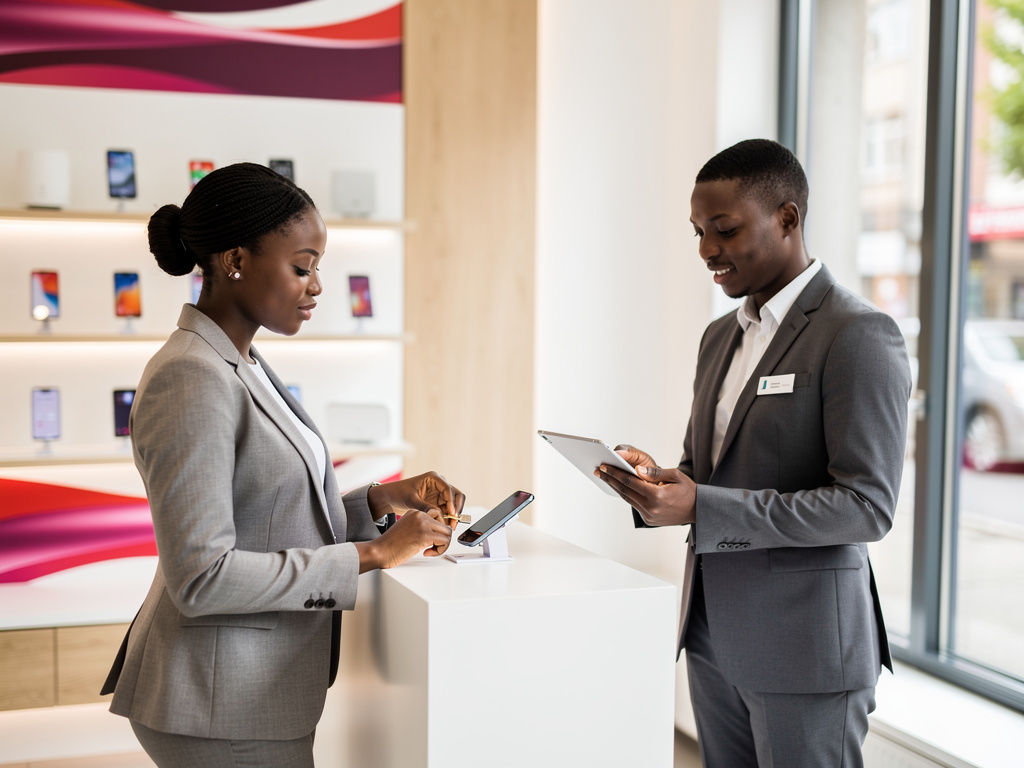
You need a German phone number faster than most people expect. It's required for bank account registration, health insurance setup, many government online portals, and WhatsApp verification on a new number [6]. Most major German mobile providers — Telekom, Vodafone, O2, Lidl Connect, ALDI Talk — have shops at airports or city centres. Prepaid SIM cards cost €10–€20 and can be activated the same day with your passport.
If the airport shop is closed when you land, get a SIM within your first 24 hours. Don't wait a week.
What to Buy and Sort on Day One
You don't need to run every errand on your first day. But a few things matter enough to do early.
Cash and Card
Germany is more cash-oriented than most people expect [5]. While major supermarkets and most shops accept debit and credit cards, smaller shops, bakeries, markets, and some restaurants are cash-only. Bring some euros with you, or withdraw from an airport ATM (look for bank-operated ATMs, not independent machines which charge higher fees). A multi-currency card like Wise or Revolut works well until you get a German bank account.
Food and Basic Groceries
Most large supermarkets — Edeka, Rewe, Penny, Lidl, Aldi, Netto — are open Monday to Saturday. Note that shops in Germany are closed on Sundays by law, with exceptions only for small kiosks (Spätis), bakeries in some states, and shops inside train stations and airports [5][4]. If you arrive on a Saturday evening, buy enough food to last Sunday. This catches nearly every newcomer off guard at least once.
Emergency Numbers and Local Orientation
Save these into your phone the moment you land:
-
Police: 110
-
Emergency/Ambulance: 112
-
Non-emergency medical helpline: 116 117 [3]
Walk around your immediate neighbourhood if you have any energy. Find the nearest supermarket, pharmacy (Apotheke), and public transport stop. That thirty-minute walk will make the whole first week feel less foreign.
Frequently Asked Questions
Yes, but roaming charges can be expensive for anything beyond emergency calls. EU roaming rules mean EU-issued SIMs work without extra charges within Europe, but non-EU SIMs (from Ghana, Nigeria, Kenya, etc.) will typically incur roaming fees. Getting a German prepaid SIM on day one is the cheapest and most practical option [6].
Get New Articles Delivered
Be the first to read our latest guides and resources as soon as they're published.